Kicking off with How to Use Email Marketing Software: 5 Email Marketing Platforms, this opening paragraph is designed to captivate and engage the readers, providing an overview of the topic with a casual formal language style.
Exploring the key aspects of email marketing software and the top platforms available, this guide aims to equip you with the knowledge needed to make informed decisions for your marketing campaigns.
Overview of 5 Email Marketing Platforms
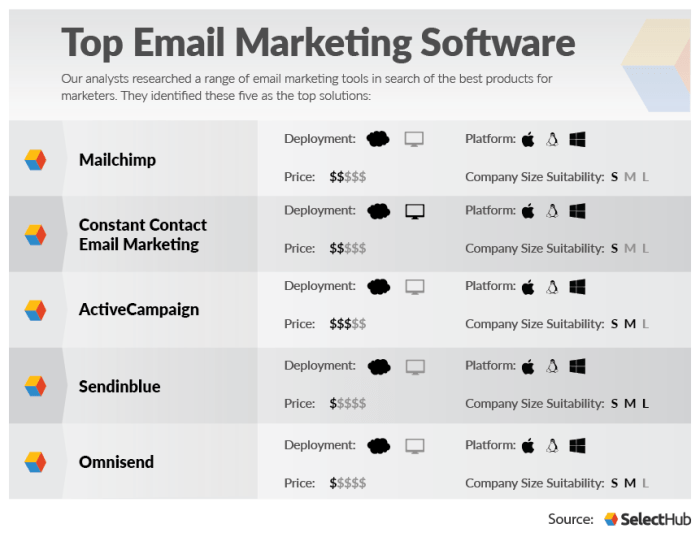
Email marketing platforms are essential tools for businesses to create, send, and track email campaigns effectively. Here is a comparison of five popular email marketing platforms, highlighting their features, pricing plans, and target audience.
Mailchimp
Mailchimp is a user-friendly platform known for its drag-and-drop editor, marketing automation features, and robust analytics. It offers a free plan for beginners with limited features and paid plans for growing businesses and enterprises. Mailchimp is ideal for small to medium-sized businesses looking to engage with their audience through email marketing.
Constant Contact
Constant Contact is another popular platform that focuses on simplicity and ease of use. It offers customizable templates, list management tools, and social media integration. Constant Contact has pricing plans based on the number of contacts, making it suitable for businesses of all sizes, from startups to large corporations.
AWeber
AWeber is a platform known for its excellent customer support, user-friendly interface, and extensive integration options. It offers automation features, email analytics, and split testing capabilities. AWeber’s pricing plans are based on the number of subscribers, making it a good choice for businesses looking to scale their email marketing efforts.
GetResponse
GetResponse is a comprehensive platform that offers email marketing, marketing automation, landing pages, and webinars. It is known for its advanced automation features, responsive email designs, and A/B testing tools. GetResponse has flexible pricing plans based on features and the number of contacts, catering to businesses of all sizes.
Campaign Monitor
Campaign Monitor is a platform designed for marketers and designers, offering customizable templates, segmentation tools, and detailed reporting. It is known for its user-friendly interface and advanced personalization options. Campaign Monitor’s pricing plans are based on the number of emails sent, making it suitable for businesses that prioritize email campaign performance.
Setting Up and Customizing Email Campaigns

Setting up and customizing email campaigns is a crucial step in email marketing to ensure your messages are engaging and effective. By following these steps and utilizing customization options, you can create personalized emails that resonate with your audience.
Creating a New Campaign
To create a new campaign in email marketing software, follow these steps:
- Login to your email marketing platform and navigate to the campaign section.
- Select the option to create a new campaign.
- Choose the type of campaign you want to create, such as a promotional email, newsletter, or special offer.
- Fill in the necessary details, including the subject line, sender name, and email content.
- Upload any images or attachments you want to include in the email.
- Preview the email to ensure everything looks as intended.
- Choose your recipient list and schedule the email to be sent at the desired time.
Customization Options Available
When customizing your email campaigns, you can take advantage of various options to tailor your messages to your audience:
- Personalize the subject line and content with the recipient’s name or other relevant information.
- Select a template that aligns with your brand’s style and message.
- Add images, videos, and links to make your emails visually appealing and interactive.
- Include dynamic content that changes based on the recipient’s behavior or preferences.
- A/B test different elements of your email, such as subject lines or calls to action, to optimize performance.
Personalizing Emails for Better Engagement
To personalize your emails for better engagement, consider the following tips:
- Segment your email list based on demographics, behavior, or past interactions.
- Use merge tags to insert personalized information, such as the recipient’s name or location, into the email.
- Send targeted emails based on the recipient’s interests or previous purchases.
- Create automated email campaigns that trigger based on specific actions or events.
- Analyze the performance of your emails and adjust your personalization strategy accordingly.
Analyzing Performance and Reporting
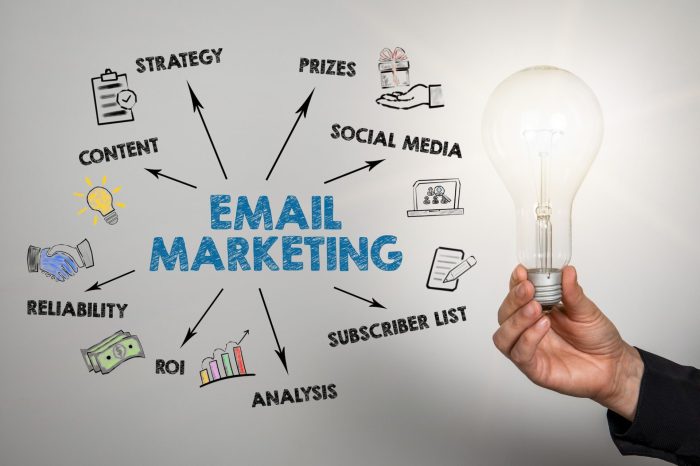
When it comes to email marketing, analyzing performance and reporting is crucial for understanding how your campaigns are performing and making informed decisions for future strategies.
Metrics Available for Tracking Performance
- Open Rate: The percentage of recipients who opened your email.
- Click-Through Rate (CTR): The percentage of recipients who clicked on a link in your email.
- Conversion Rate: The percentage of recipients who completed a desired action after clicking on a link in your email.
- Bounce Rate: The percentage of emails that were not delivered to the recipient’s inbox.
- Unsubscribe Rate: The percentage of recipients who opted out of receiving future emails.
Comparing Reporting Tools Across Platforms
Each email marketing platform offers different reporting tools to help you track and analyze the performance of your campaigns. Some common features include:
- Graphical Representation of Data
- Segmentation of Audience Data
- A/B Testing Capabilities
- Real-Time Reporting
Interpreting Data to Improve Future Campaigns
Once you have collected and analyzed your email marketing data, it’s important to interpret the findings to optimize your future campaigns. Here are some key actions to take based on the data:
- Identify High-Performing Campaigns and Replicate Success
- Adjust Sending Times and Frequency Based on Engagement Rates
- Personalize Content to Increase Relevance and Engagement
- Test Different Subject Lines and Calls to Action to Improve Open and Click-Through Rates
Epilogue
In conclusion, mastering the use of email marketing software and leveraging the capabilities of these platforms can significantly enhance your marketing strategy. By understanding the features, customization options, and performance metrics, you are well-equipped to create impactful email campaigns that resonate with your audience.