Kicking off with How to Troubleshoot Computer Problems: 8 Common Computer Issues and Solutions, this opening paragraph is designed to captivate and engage the readers, providing an interesting overview of the topic.
Exploring the most common computer problems users face, their impact on productivity, and real-life examples for better understanding.
Common Computer Issues
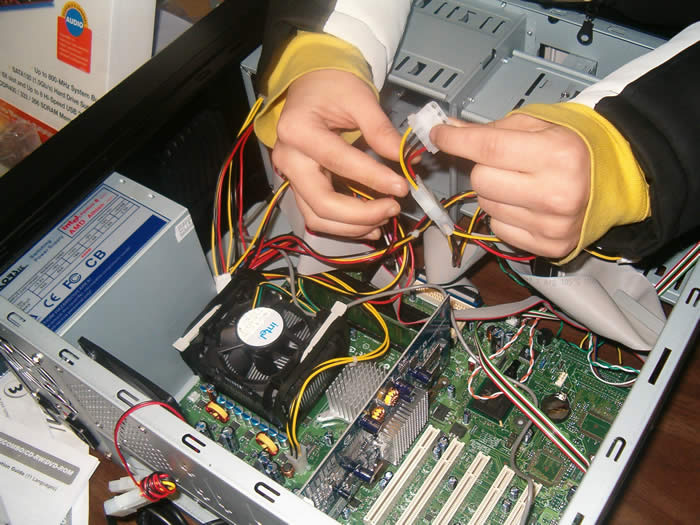
Computers are an essential part of our daily lives, but they can sometimes encounter issues that disrupt our productivity. Below are 8 common computer problems that users often face:
1. Slow Performance
Slow performance is a common issue that can be caused by various factors such as insufficient RAM, low disk space, or too many background processes running. This can significantly impact productivity, especially when trying to run multiple programs simultaneously.
2. Blue Screen of Death (BSOD)
The infamous Blue Screen of Death occurs when a critical system error causes Windows to crash. This can lead to loss of unsaved work and disrupt workflow, making it a frustrating issue for users.
3. Internet Connectivity Problems
Internet connectivity issues, such as slow or unstable connection, can hinder tasks that require online access. This can affect communication, research, and other online activities, impacting productivity.
4. Virus or Malware Infections
Viruses and malware can infect a computer through malicious websites, email attachments, or downloads. These infections can slow down the system, compromise data security, and even lead to data loss, causing major productivity setbacks.
5. Hardware Failure
Hardware failures, such as a malfunctioning hard drive or faulty RAM, can result in data loss and system crashes. This can disrupt work processes and require costly repairs or replacements, affecting productivity.
6. Software Compatibility Issues
Compatibility issues between software programs or with the operating system can cause errors, crashes, or poor performance. This can hinder workflow and require troubleshooting to find and resolve the compatibility issues.
7. Overheating
Overheating is a common issue in laptops or desktops due to dust buildup, inadequate cooling, or heavy usage. This can lead to system instability, performance issues, and even hardware damage, impacting productivity and requiring immediate attention.
8. Data Loss
Data loss can occur due to accidental deletion, hardware failure, malware, or other factors. Losing important files or documents can disrupt work processes, cause delays, and require time-consuming recovery efforts, affecting productivity.
Troubleshooting Solutions
When facing computer problems, it’s essential to know how to troubleshoot effectively to get your system back up and running. Here, we will explore general troubleshooting steps, compare software versus hardware solutions, and highlight the importance of regular maintenance.
General Troubleshooting Steps
- Restart your computer to see if the issue resolves itself.
- Check for software updates and install them to ensure your system is running the latest versions.
- Run a virus scan using reliable antivirus software to detect and remove any malware.
- Check hardware connections to make sure everything is properly plugged in.
Software vs. Hardware Solutions
Software solutions involve fixing issues related to programs, operating systems, or drivers, while hardware solutions address problems with physical components like the hard drive, RAM, or motherboard. It’s important to diagnose the root cause accurately to apply the right solution effectively.
Importance of Regular Maintenance
- Perform regular system updates to keep your software running smoothly and securely.
- Clean your computer physically to prevent dust buildup that can cause overheating and hardware failure.
- Back up your data regularly to avoid losing important files in case of a system crash.
- Run diagnostic tools to check for any potential issues before they escalate into major problems.
Advanced Problem Solving
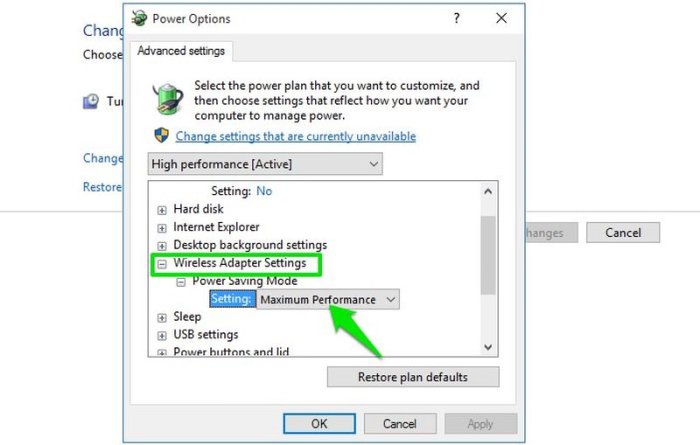
When it comes to advanced problem solving for complex computer issues, it’s essential to have a systematic approach that involves in-depth diagnosis and troubleshooting techniques.
In-depth Diagnosing Techniques
- Utilizing diagnostic software tools to identify hardware failures or software conflicts.
- Performing stress tests to pinpoint performance issues under heavy workloads.
- Examining system logs and error messages to trace the root cause of recurring problems.
Case Studies in Troubleshooting
- Case Study 1: A computer that kept crashing randomly was diagnosed by analyzing temperature readings and discovering an overheating issue due to a faulty fan.
- Case Study 2: An application that consistently crashed was resolved by updating drivers and identifying compatibility issues with the operating system.
- Case Study 3: A slow boot-up problem was traced back to a failing hard drive, which was replaced to restore the system’s speed.
Role of Professional IT Support
- Professional IT support plays a crucial role in resolving difficult computer problems by leveraging their expertise and experience.
- IT professionals can provide specialized tools and knowledge to tackle complex issues efficiently.
- They offer timely solutions and prevent further damage to the system, ensuring smooth operation and minimal downtime.
Closing Notes

Wrapping up the discussion on How to Troubleshoot Computer Problems: 8 Common Computer Issues and Solutions, this concluding paragraph offers a captivating summary of the key points discussed.